
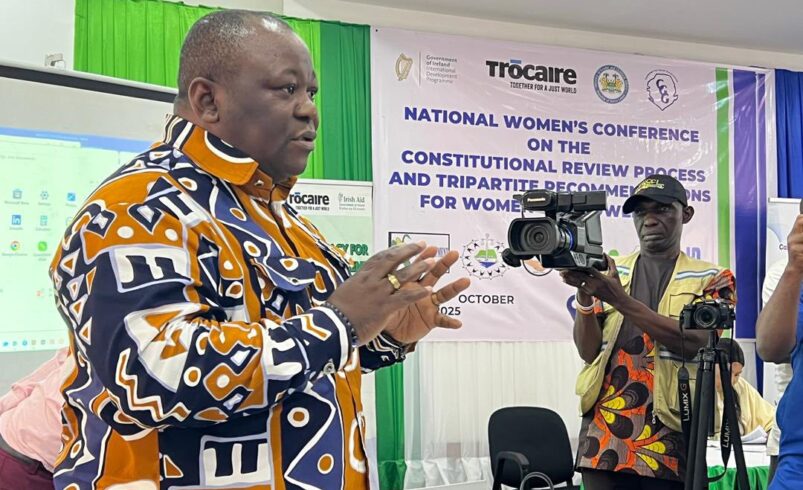
The Coordinator of the Tripartite Secretariat said a good number of the tripartite recommendations supports women’s empowerment. Mr. Ngolo Katta highlighted over fifteen recommendations opportune to favoured their positions for empowerment as regards electoral governance or in politics generally.
He was speaking at the National Women’s Conference on the Constitutional Review Process and Tripartite Recommendations for Women’s Empowerment held at the Family Kingdom on Friday 10 October, 2025.
Recommendations 25 on conducting election threat and risk assessment; 28, on establishing a civilian-led structure to monitor and report election violence; and 29, Human Rights Commission to monitor election-related human rights violence appear to carry some implications for women empowerment and require sober gender lens in accordance with the GEWE Act 2022.
The other Recommendations like 50 on five percent of persons with disability be favoured in elective and appointive positions; and 51 developing a National Youth Development Act similar to GEWE; 7 an electoral system that enhances at least thirty percent of women be favoured in appointive and elective positions; 52, that women, young people, and PWDs pay half of nomination fees prescribed by ECSL supported women’s empowerment.
Mr. Katta called on the organizers (Campaign for Good Governance and others) to pay attention to these recommendations, partnering with the institutions championing their implementation so that the interest of women would be secured.
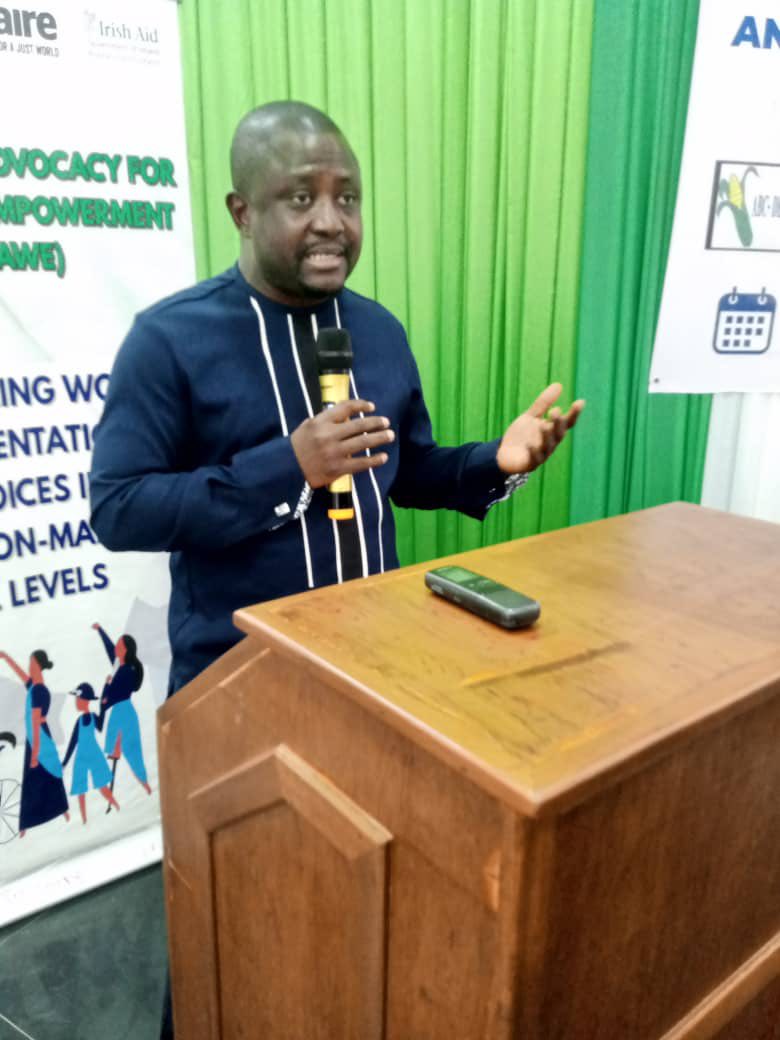
The Attorney-General and Minister of Justice told the conference that government had accepted almost all sixteen of the recommendations in the Women’s Manifesto for inclusion into the constitution, indicating commitment to an inclusive and participatory process, and to building the capacity of women to allow them lead governance processes and determine decisions bordering on the socio-political welfare of the state.
Mr. Alpha Sesay said reviews to the constitution were substantial – those that came from the tripartite recommendations and the White Papers of the Dr. Peter Tucker and Justice Edward Cowan constitutional reviews. The alterations touched on more than twenty entrenched clauses of the constitution, presenting a difficulty of holding a referendum asking over twenty questions to a predominantly illiterate society.
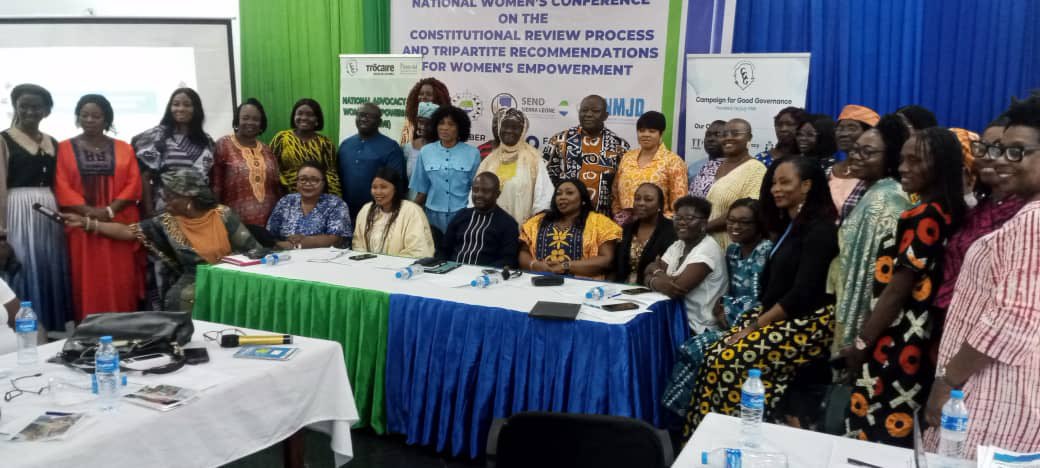
The intention, as supported even by the women’s conference, would be to open up the process, hold a number of consultations, carry wide-scale public education activities, and present to the public a referendum asking a single question requiring a simple Yes or No answer. This means since the constitution will have been significantly altered with additions of new chapters, the old constitution will eventually translate into a new one. It will now require Sierra Leoneans to say: ‘yes’, we want the new constitution or ‘no’ in the referendum.


