

The Tripartite Steering Committee Secretariat has continued its reform monitoring engagements with a consultative meeting held on Thursday 26th February 2026 with the Political Party’s Regulation Commission (PPRC). The meeting took place at the Commission’s conference room and focused on assessing progress made in implementing the Tripartite Recommendations relating to the Commission.
The session was chaired by the Executive Secretary, Olushogo A. David, in the absence of the Chairman of the Commission, Mr. Emmanuel K. Amara Esq, who was unavoidably absent due to another official engagement.
Leading the discussions, the Coordinator of the Tripartite Steering Committee Secretariat, Mr. Thomas Ngolo Katta, outlined the purpose of the engagement, emphasizing the need for an updated and in-depth review of the implementation status of key reform measures. Central to the discussions were institutional assessment processes, regulatory and policy development, and ongoing national dialogue surrounding the Constitutional Amendment Bill 2025.
Participants reviewed progress in developing key regulatory frameworks, including a Code of Conduct addressing militia-related activities, campaign financing regulations, and staff recruitment policies. Discussions also focused on recommendations categorized as “Not Started” or “Ongoing,” with emphasis on timelines and implementation steps.
Mr. Thomas Ngolo Katta described the meeting as part of the Secretariat’s structured and routine institutional monitoring process. He noted that consistent engagement with oversight bodies is essential to strengthening governance systems, improving institutional performance, and ensuring compliance with agreed reform measures.
He further addressed aspects of the Constitutional Amendment Bill 2025 that relate directly to the Commission’s constitutional mandate and operational responsibilities. According to him, enhancing transparency, institutional coordination, and information sharing remains critical to building public confidence and sustaining reform momentum. He added that the consultative dialogue was intended to clarify technical matters and support the effective implementation of the Tripartite Recommendations in a way that advances institutional development and capacity building.
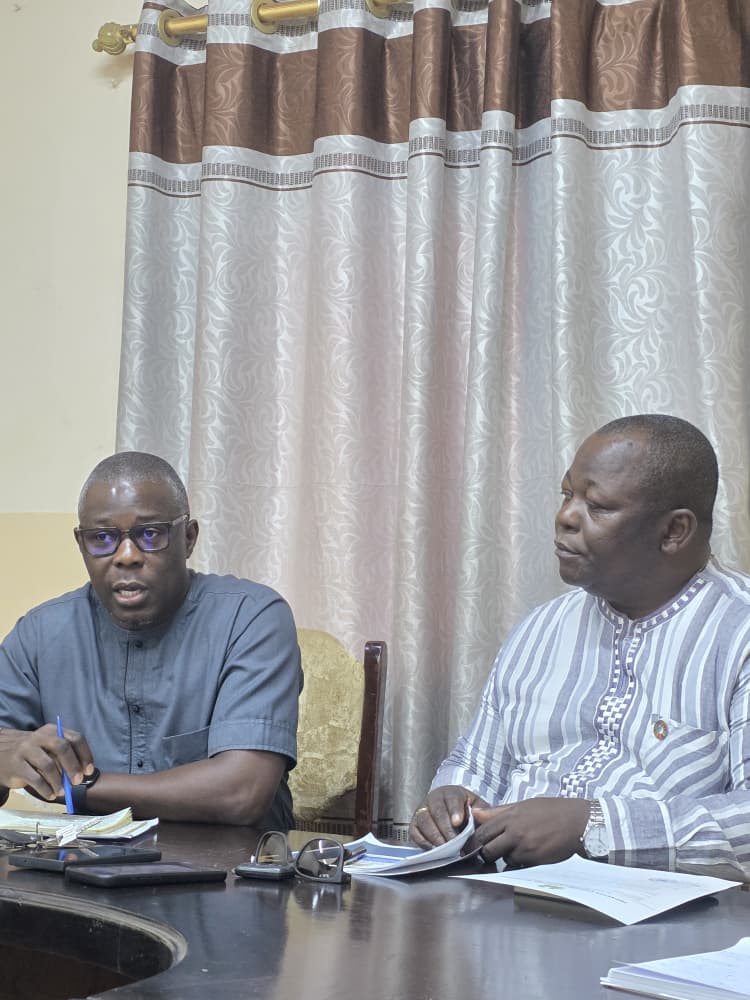
In his response, the Executive Secretary of the Commission reiterated the PPRC’s mandate as a regulatory body overseeing political parties and providing directives and operational control to ensure compliance with established laws and standards. He acknowledged varying public and stakeholder views on political parties’ deregistration and disclosed that consultations had been held with the Anthony General & Minister of Justice regarding the issue.
On regulatory reforms, he stated that recruitment policies and internal regulations are already guiding the Commission’s operations. He also confirmed that the political financing regulation, developed after the 2023 elections, is expected to be laid before Parliament by the Anthony General & Minister of Justice in collaboration with political parties. Once laid, the regulation will become operational after 21 days.
He further explained that a three days’ expert validation session was organized to strengthen the financing framework, with the objective of supporting the election financing committee in regulating excessive campaign spending while maintaining equal political caps for all political parties, including those in the diaspora.
The Executive Secretary highlighted operational challenges facing the Commission, particularly the need to establish regional offices to expand PPRC activities nationwide. He noted that limited resources and competing priorities may affect the pace at which some recommendations are implemented.
Discussions also addressed the broader functionality of political parties and the importance of maintaining clear rules of engagement that provide a safe and regulated environment for all political party actors, referencing provisions within the political party act as well as finance and recruitment regulations.
During the engagement, Mr. Christopher A. Teh, the public sector expert of the Secretariat called for clearer implementation metrics and more forward-looking intervention strategies to strengthen monitoring and evaluation mechanisms.
The meeting concluded with both institutions reaffirming their commitment to collaboration, transparency, and sustained tracking of progress toward the full implementation of the Tripartite Recommendations.


