
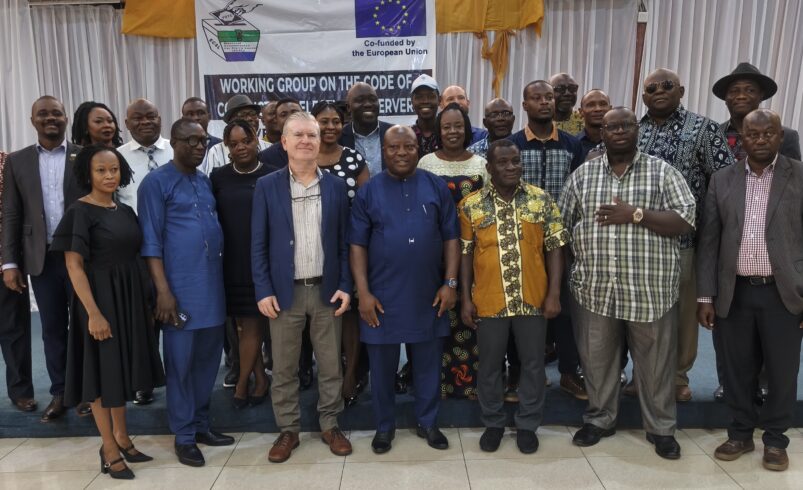
Stakeholders have begun drafting a Code of Conduct for Election Observers under Recommendation 41 of the Tripartite Committee Report, marking another milestone in implementing Sierra Leone’s post-election reform agenda.
The initiative got under way during a stakeholders’ consultative workshop organised by the Electoral Commission for Sierra Leone (ECSL) on 6 August 2026 at the Sierra Leone Bank Complex in Kingtom. The workshop brought together representatives of state institutions, civil society organisations, development partners, the Tripartite Steering Committee Secretariat (TSCS) and election experts to begin developing a Code of Conduct that will guide election observation in Sierra Leone.
The exercise forms part of the implementation of the Tripartite Recommendations assigned to the Electoral Commission for Sierra Leone. The proposed Code is intended to strengthen the integrity, professionalism, impartiality and effectiveness of election observation ahead of future elections.
The workshop also marked the formal inauguration of a Working Group responsible for preparing the Code of Conduct.
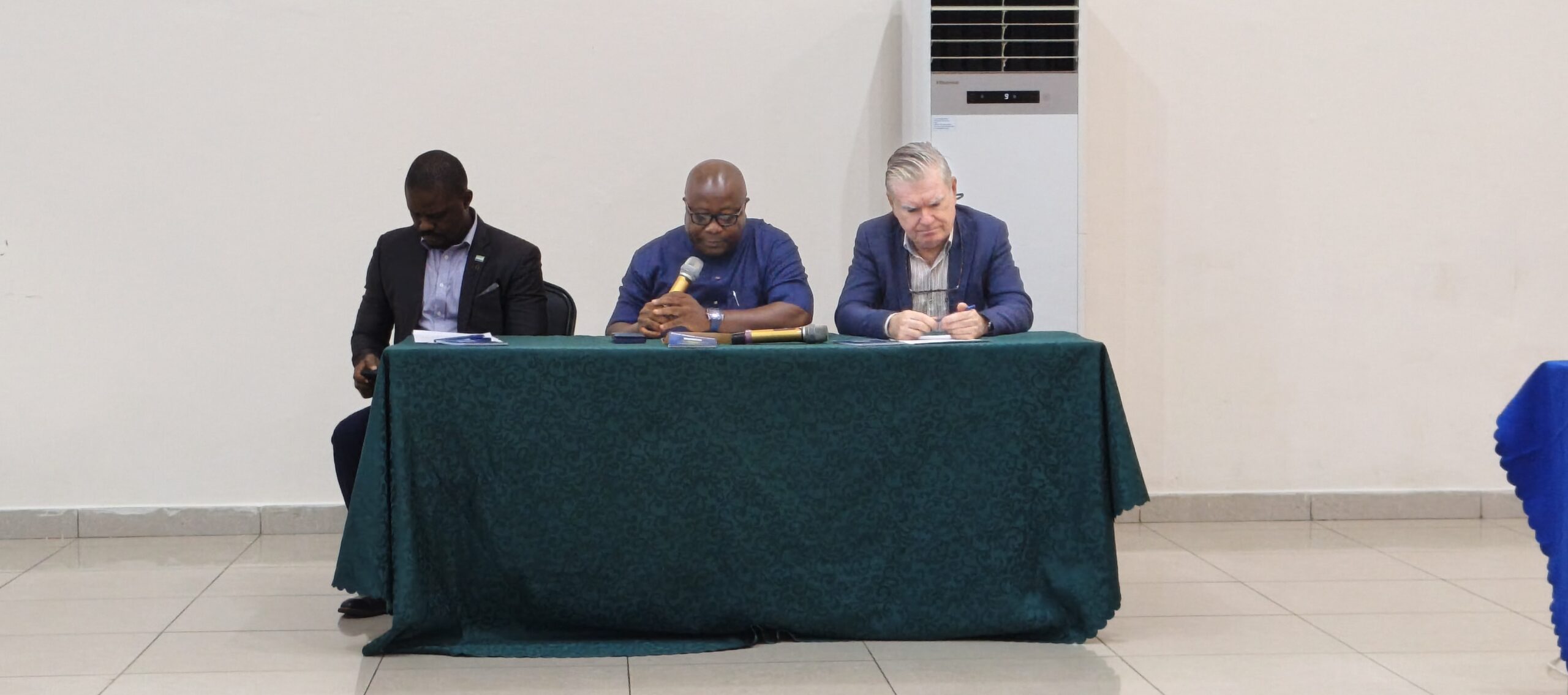
Opening the meeting, the Oversight Commissioner for Supervising Human Resources, Training, Gender and Administration at the ECSL, Alex P. L. Saffa, said the initiative fulfils Recommendation 41, which calls for previously accredited election observer groups to be consulted during the preparation of revised codes governing election observation.
Commissioner Saffa described election observation as an essential safeguard of democratic elections, saying that domestic and international observers contribute to transparency, accountability and public confidence through their independent and impartial assessment of electoral processes.
He said the credibility of election observation depends not only on the professionalism of election management bodies but also on the conduct of observers. He stressed that observers must carry out their responsibilities with integrity, independence and impartiality, while respecting Sierra Leone’s laws and avoiding actions or public statements that could undermine confidence in the electoral process or be perceived as interference.
According to Commissioner Saffa, the Working Group has been established to produce a practical and widely accepted Code of Conduct that clearly defines the rights, responsibilities and limitations of election observers while remaining consistent with Sierra Leone’s legal framework and internationally recognised principles governing election observation.
He encouraged participants to work collaboratively and build consensus in developing a document that reflects international best practice while responding to Sierra Leone’s electoral realities.
Reaffirming the Electoral Commission’s commitment to transparent, peaceful, inclusive and credible elections, Commissioner Saffa said the completed Code of Conduct would strengthen observer accreditation, training and deployment, while enhancing public confidence in election observation missions. He also thanked development partners and stakeholders for their continued support for electoral reform before officially inaugurating the Working Group.
Providing an overview of the programme, the Programme Manager for the Governance Section at the European Union Delegation to Sierra Leone, Enrico Sborgi, said the European Union continues to work in partnership with the Government of Sierra Leone to strengthen democratic governance.
Mr. Sborgi said the European Union supports the Electoral Commission for Sierra Leone, the implementation of the Tripartite Report Recommendations directly and through partners such as the International Institute for Democracy and Electoral Assistance (International IDEA), as well as wider governance initiatives.
He reaffirmed the European Union’s commitment to supporting the implementation of Recommendation 41, noting that the development of a Code of Conduct for election observers represents an important step towards strengthening the credibility and effectiveness of election observation in Sierra Leone.
The workshop featured a series of technical presentations examining the legal and operational framework governing election observation in Sierra Leone.
The Director of External Relations at the ECSL, Albert Massaquoi Esq., presented an overview of recent observer accreditation and observation activities. The Director of Legal Affairs, Fatorma Fah-Bundeh Esq., outlined the domestic legal framework regulating election observers, while the Director of Research, Monitoring and Evaluation, Phillip F. Kargbo Esq., reviewed regional and international instruments that provide guidance on standards of conduct for election observers.
Participants also examined existing practices and discussed how internationally recognised principles could be adapted to Sierra Leone’s electoral environment.
Contributing to the discussions, the Coordinator of the Tripartite Steering Committee Secretariat, Ngolo Thomas Katta, said Recommendations 40 and 41 of the Tripartite Report both relate to election observation.
Mr. Katta said the recommendations seek to establish clear legal provisions governing the conduct of election observers while recognising their role and protection as human rights defenders.
He explained that the primary purpose of a Code of Conduct and accompanying guidelines is to safeguard the integrity, transparency and neutrality of the electoral process without interfering in the administration of elections.
Mr. Katta identified the core ethical principles expected of both domestic and international election observers as impartiality, non-interference, evidence-based reporting, respect for national laws, recognition of observers’ access rights, proper documentation of electoral irregularities, adherence to observer pledges, and clear procedures for addressing violations and sanctions.
The workshop concluded with a plenary session facilitated by the programme’s consultant, Valnora Edwin, during which participants shared experiences from previous election observation missions in Sierra Leone and made recommendations to support the drafting of the Code of Conduct.
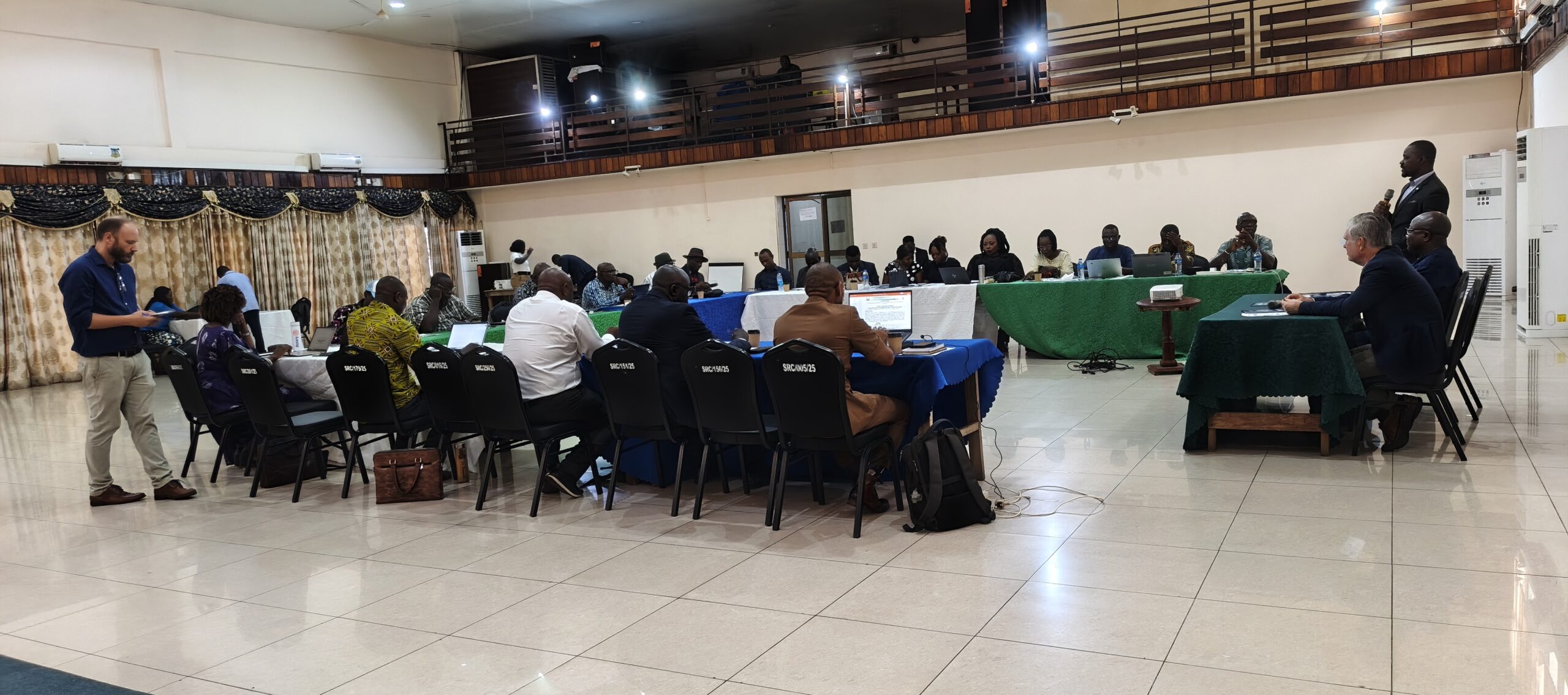
Delegates later worked in thematic groups to examine key issues before presenting their recommendations in plenary for further discussion.
The recommendations from the consultations will be used to prepare the first draft of the Code of Conduct before the Working Group reconvenes to review and refine the document. The exercise is being supported through European Union aimed at strengthening election observation and broader electoral reform initiatives in Sierra Leone.


